Inside the World of Pipes, Valves, and Fittings
Dive into detailed insights and practical tips tailored for engineers and procurement pros navigating the complex PVF landscape.
5/8/20242 min read


The PVF industry is the unsung hero of the modern world. It forms the critical infrastructure that underpins nearly every major sector, from oil and gas and petrochemicals to water treatment and power generation. This complex network of pipes, valves and fittings (PVF) forms the arteries of our industrial landscape, safely transporting, controlling, and managing fluids and gases under immense pressure.
For procurement professionals and engineers, navigating this landscape is a daily challenge of specifications, standards, and sourcing. Let's take a high-level look inside this essential world.
The Core Components of PVF
At a surface level, the three main categories are straightforward:
Pipes: These are the primary conduits. They are the "highways" of the system, designed to move a product from point A to point B. Key considerations always include material (like carbon or stainless steel), diameter, and wall thickness (or "schedule") to ensure it can handle the required pressure and temperature.
Valves: These are the control points. Valves are the mechanical devices that start, stop, or regulate the flow of the product. From simple ball valves for on/off functions to complex globe valves for precision throttling, they are essential for operating a system safely and efficiently.
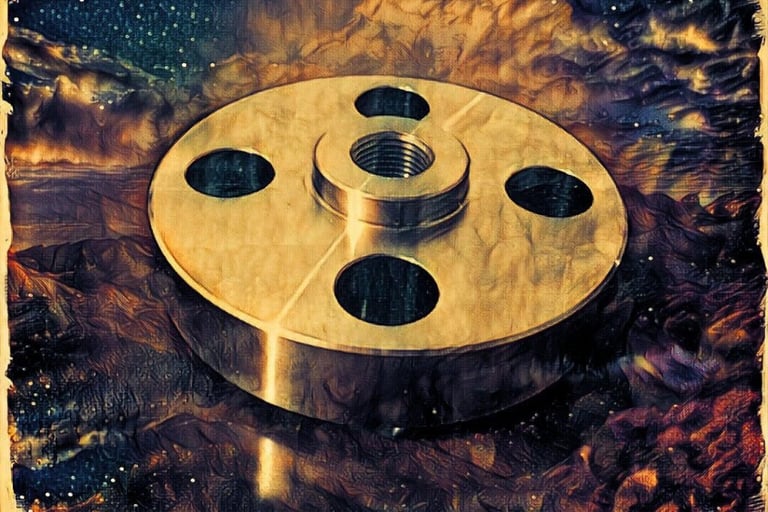
Fittings: This is the diverse category that connects everything. Fittings include components like elbows to change direction and tees to split flow. However, no component is more critical for system integrity, serviceability, and safety than the industrial flange.
Why Flanges Are a Critical Focus
Flanges are the components that allow for a strong, mechanical, and non-permanent joint. By bolting two flanges together with a gasket in between, you create a seal that can withstand incredible pressure. More importantly, this joint can be disassembled for maintenance, inspection, or equipment replacement without cutting the pipe.
This is why your choice of a flange supplier is one of the most important decisions you can make. The difference between a high-quality part from a reputable flange manufacturer and a substandard one is the difference between a reliable system and a catastrophic failure. A quality supplier ensures material traceability, adherence to ASME standards, and the long-term reliability your project demands.
Before you specify or purchase your next component, understanding the nuances of these connections is crucial. This Complete Guide to Flanges offers an excellent deep dive into the different types, materials, and standards.
Ultimately, the PVF industry is a world of complex, interconnected parts. While every component plays a role, the connections are where safety and success are truly forged. For professionals seeking a reliable source with the expertise and inventory to match, texasflange.com is an industry-leading partner known for quality and service.